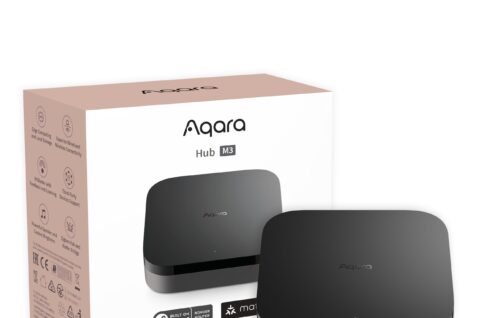
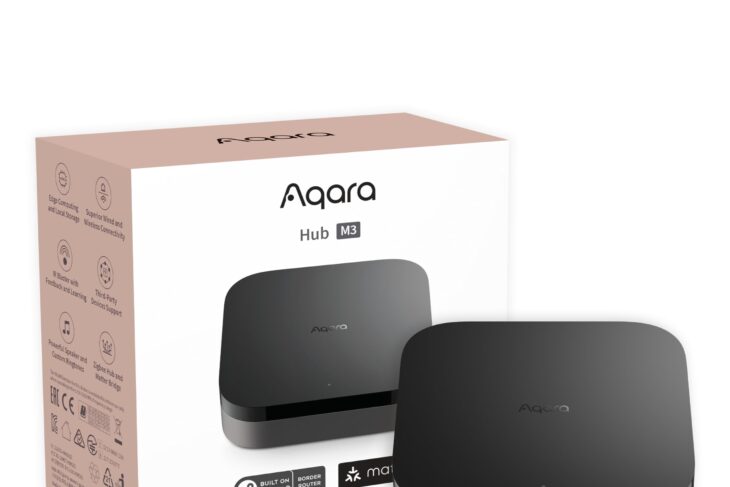
New smart home hubs released early in 2026 are pushing artificial intelligence processing to the edge, allowing homes to automate tasks without constant cloud connectivity. These hubs can interpret visual data, run conversation agents locally, and manage connected devices based on what’s happening in the room.
- Edge hubs use on-device visual intelligence to detect who is at the door, generate summaries, and trigger automations based on natural language.
- Open-source frameworks are being adopted so users can customize how their smart homes respond while keeping data privately stored.
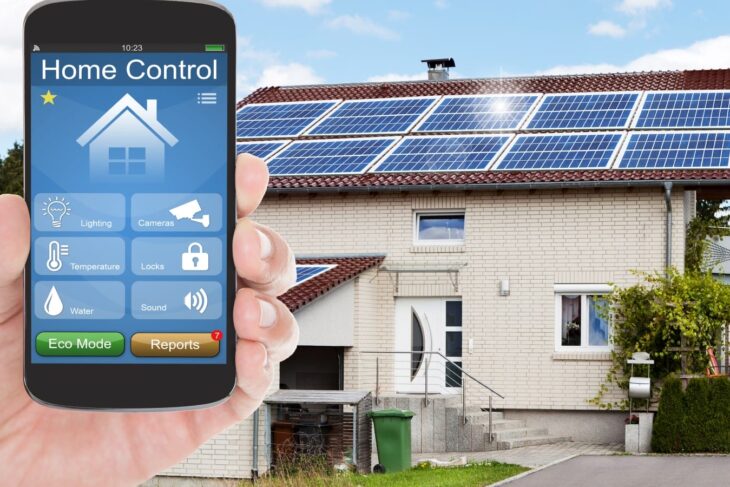
- These systems support automated routines that adjust lighting, climate, and security settings according to learned preferences and real-time conditions.
The trend toward local AI smart hubs supports both improved performance and enhanced privacy, helping homes become more responsive, sustainable, and deeply personalized.